
Our Services
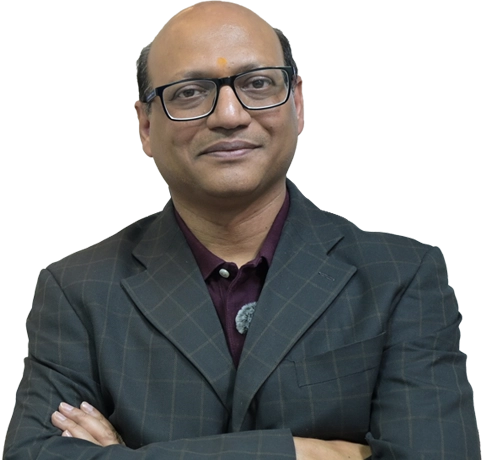
Dr. Mayank Agarwal
- Call for an appointment - +919929857361
- Email us - info@jindaleyehospital.com
- Location - 10/62, Chitrakoot Scheme, Opp. Pratap Stadium, Near Jai Shree Periwal School, Vaishali Nagar, Jaipur. Rajasthan - 302021
Squint Clinic
Squint also known as strabismus is a condition where the eyes do not look in the same direction simultaneously. While it may appear to be a cosmetic concern, squint can significantly affect vision, depth perception, and a child’s confidence. At Jindal Eye Hospital, Jaipur, our dedicated Squint Clinic offers thorough diagnosis and personalized treatment for both children and adults. Early evaluation is the key to better outcomes — and our team is here to guide every step of the way.
What is Squint?
Squint, or strabismus, occurs when the eyes are misaligned — one eye may turn inward, outward, upward, or downward while the other focuses normally. In some cases, the turn is constant; in others, it appears only under certain conditions such as fatigue or illness. Squint can develop in infants, young children, or even adults, and should always be evaluated by an experienced squint eye specialist.
Common Signs and Symptoms of Squint
Recognising squint early can make a significant difference in treatment success.
Look out for:
- Visible misalignment of one or both eyes
- Double vision or blurred vision
- Tilting the head to one side to see clearly
- Covering or closing one eye, especially in bright light
- Poor depth perception or difficulty judging distances
- Eye strain, fatigue, or frequent headaches
- A squinting expression even without actual squinting
Causes of Squint
Squint can result from several underlying factors, including:
- Imbalance in the eye muscles responsible for eye movement
- Uncorrected refractive errors such as hyperopia (farsightedness)
- Amblyopia (lazy eye), which may develop alongside squint
- Neurological or nerve-related conditions
- Trauma or injury to the eye or surrounding muscles
- Systemic conditions such as thyroid disorders
- Adult-onset squint due to diabetes, stroke, or head injury
Why Early Squint Treatment is Important
When squint is left untreated — particularly in children — the brain may begin to ignore the signals from the misaligned eye. This leads to amblyopia, or lazy eye, which can result in permanent vision loss in that eye. Early intervention can prevent this and help the child develop proper binocular vision, improved depth perception, and stronger self-confidence. For adults, timely squint treatment can relieve discomfort, restore comfortable vision, and significantly improve quality of life.
Squint Diagnosis at Jindal Eye Hospital Jaipur
At our Squint Clinic in Jaipur, every patient receives a comprehensive eye evaluation tailored to their age and condition. Our diagnostic process includes:
- Detailed vision assessment for both eyes individually
- Refraction testing to identify and measure refractive errors
- Cover and uncover tests to assess eye alignment
- Binocular vision and depth perception evaluation
- Specialised pediatric eye examination for younger patients
- Fundus examination and neurological assessment when needed
Squint Treatment Options
Treatment for squint depends on the underlying cause, the patient’s age, and the degree of misalignment. Based on a thorough examination, our squint eye specialist may recommend one or more of the following approaches:
- Spectacles / Prescription Glasses: Correcting refractive errors often significantly reduces the squint, especially in younger children.
- Patching Therapy: Covering the stronger eye encourages the weaker eye to work harder, helping treat amblyopia alongside squint.
- Vision Therapy: Structured exercises to strengthen eye coordination and improve binocular vision.
- Prism Correction: Prism lenses may be prescribed to help align the visual fields and reduce double vision.
- Squint Surgery: When non-surgical treatments are insufficient, carefully planned strabismus surgery may be advised to realign the eye muscles.
Note: All treatment decisions are made following a thorough examination and professional medical advice. Outcomes vary depending on individual patient factors.
Squint Treatment for Children and Adults
Squint affects both children and adults, though the approach to treatment differs. In children, early diagnosis — ideally before age 7 — gives the best chance of restoring normal vision development. Pediatric eye care in Jaipur at Jindal Eye Hospital is designed to be gentle, thorough, and reassuring for young patients and their parents.
Adult squint treatment is equally important. Whether the squint is longstanding or has developed recently due to a medical condition, adults benefit greatly from evaluation and treatment. Many adults also report improved comfort and confidence following treatment.
Why Choose Jindal Eye Hospital Jaipur for Your Squint Clinic?
At Jindal Eye Hospital, Vaishali Nagar, Jaipur, we combine clinical expertise with a patient-first approach to deliver trustworthy, ethical, and advanced eye care.
Here’s why patients across Jaipur choose us:
- Experienced team led by Dr. Mayank Agarwal, a skilled Refractive and Cataract Surgeon with broad expertise in advanced eye care
- Personalised treatment plans tailored to each patient's unique condition and age
- Modern diagnostic technology for accurate, thorough assessments
- A safe and welcoming environment for children and adults alike
- Transparent, ethical consultations — no unnecessary procedures
- Conveniently located in Vaishali Nagar, easily accessible from across Jaipur
Broader Advanced Eye Care at Jindal Eye Hospital
Beyond squint care, Jindal Eye Hospital offers a comprehensive range of advanced ophthalmic services, including cataract surgery, refractive eye care, and Contoura Lasik in Jaipur — one of the most advanced forms of vision correction available today. All treatments are recommended based on careful evaluation and individual patient suitability, ensuring you receive the most appropriate care for your eyes.
Frequently Asked Questions (FAQs)
01. What is squint?
Squint, or strabismus, is a condition where the eyes do not align properly — one eye may point in a different direction from the other. It can affect children and adults and requires evaluation by an eye specialist for appropriate management.
02. Can squint be treated in children?
Yes. Squint in children is very treatable, and early intervention generally leads to better outcomes. Depending on the cause and severity, treatment may include glasses, patching, vision therapy, or surgery. Pediatric eye care in Jaipur at Jindal Eye Hospital is designed with children’s comfort in mind.
03. Can adults get squint treatment?
Absolutely. Adults can and should seek squint treatment. Even longstanding squint can often be improved with appropriate intervention. Adult squint treatment may address double vision, eye strain, and cosmetic concerns, improving both vision and confidence.
04. Is squint always treated with surgery?
No. Surgery is only one of several treatment options. Many cases of squint respond well to glasses, patching, prism lenses, or vision therapy. The right treatment depends on the type, cause, and severity of squint, and is determined after a thorough examination.
05. When should I visit a squint eye specialist in Jaipur?
You should consult a squint eye specialist in Jaipur if you notice any misalignment in your child’s or your own eyes, if a child tilts their head to see, closes one eye, or complains of double vision. Early evaluation is always recommended — the sooner a squint is assessed, the more effective the treatment can be.


- Jindal Eye Hospital Jaipur
Dr. Mayank Agarwal
Book your Contoura Lasik consultation today and start your journey toward spectacle-free vision!